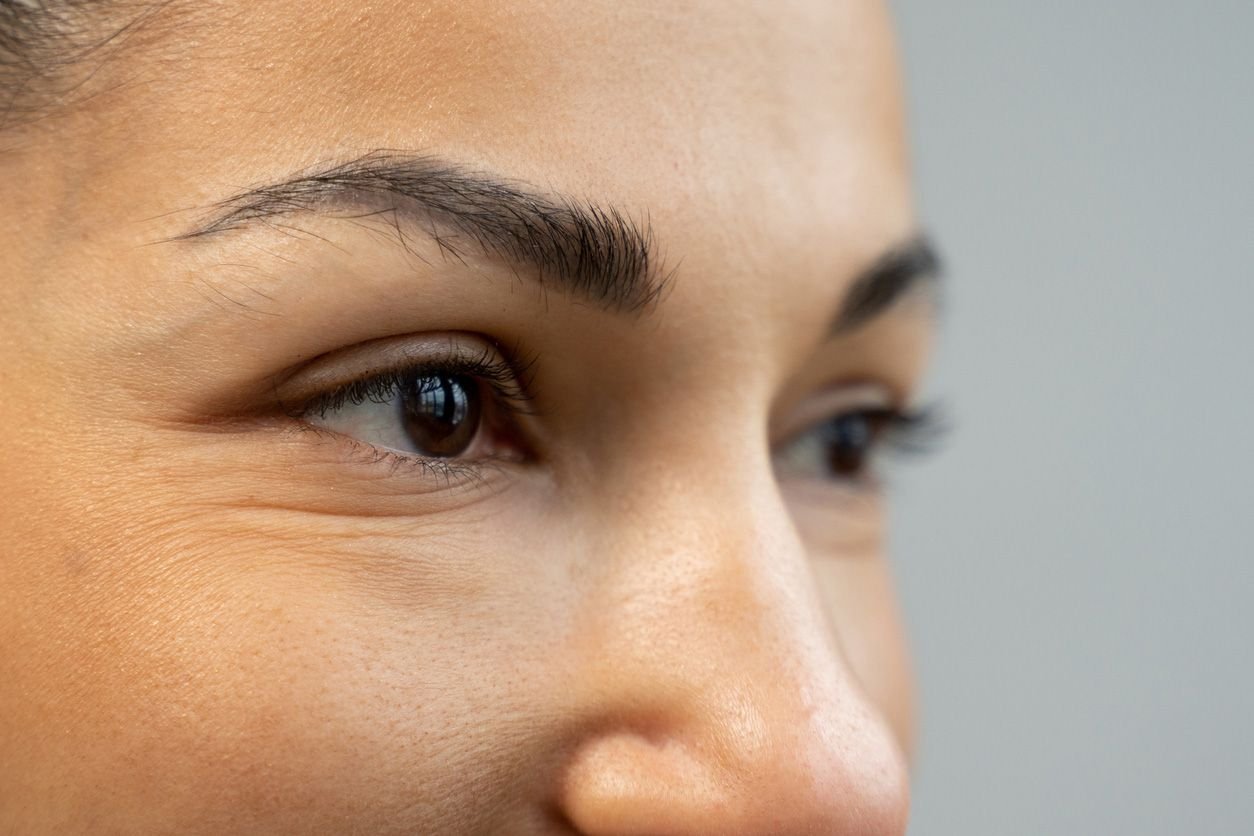


Why the under-eye area in particular?
The skin beneath your eyes is the thinnest and most delicate on your whole face, which is exactly why the under-eye region shows tiredness, puffiness, shadows, fine lines and crepey texture so easily. Because polynucleotides improve the actual quality, thickness and skin elasticity of that fragile periorbital tissue, they are especially well suited to this area. Over a course of treatment, many people notice the under-eye skin looks smoother, more hydrated, less crepey and generally fresher, with improved skin texture and more vibrant skin, as though they are simply better rested.
So do they work for dark circles?
This is where honesty matters, because "dark circles" are not all the same, and the cause decides how well under-eye polynucleotides will help.
- If your dark circles are down to thin, crepey or poor-quality skin that lets the underlying tissue show through, polynucleotides are an excellent choice, because improving skin quality is exactly what they do best.
- If your circles have a reddish or bluish tinge from fine vessels showing through translucent skin, thickening and strengthening that skin can genuinely soften the look, and often reduce the appearance of fine lines and wrinkles at the same time.
- If your "circles" are actually a shadow caused by a hollow or a tear-trough groove, polynucleotides alone may not be enough. That hollowing is often better addressed with a small amount of tear trough filler, one of the hyaluronic acid fillers we use, sometimes alongside polynucleotides for skin quality.
- If they are purely pigmentation such as age spots (a brown discolouration, common in deeper skin tones), a combined approach with the right skincare routine usually gives the best result.
This is why a proper consultation matters. The honest answer to "will this work for me?" depends entirely on what is causing your particular circles, and a good practitioner will build a personalised treatment plan and tell you if something else would serve you better.
What to expect from treatment
Polynucleotides are delivered as a short course rather than a one-off, because they work by gradually building results. Most people have a course of two to three sessions, spaced a few weeks apart, to get the skin's repair process going. The treatment itself is quick, and a fine needle is used to place tiny amounts just under the skin. You may notice some small bumps, mild swelling, or the odd pinpoint bruise immediately afterwards, but these settle within a day or two.
Because this is a regenerative treatment, patience is part of the process. You will not walk out transformed the way you might with filler. Instead the improvement builds over the following weeks as your skin responds and rebuilds. Many people feel they see the real difference by the time they finish their course.
How long do the results last?
Results vary from person to person, but the improvements from a full course typically last several months. Because polynucleotides are working with your own biology rather than adding a permanent material, most people keep their results looking their best with occasional maintenance sessions, often every six months or so. Think of it as an ongoing investment in skin rejuvenation and the long-term health of your under-eye skin rather than a one-time fix.
How do they compare to other under-eye options?
Polynucleotides sit alongside a couple of other treatments, and they are often combined. Tear trough filler is best for structural hollowing and for restoring natural facial contours. Polynucleotides are best for skin quality, crepiness and fine texture. Profhilo, a hyaluronic acid skin booster, and other skin boosters focus on hydration and firmness across a wider area. If you want to understand the wider category of these treatments, our guide comparing polynucleotides and Profhilo is a useful next read, as is our under-eye treatment overview.
Does it hurt, and is it safe?
Comfort levels are high. The under-eye area is sensitive, but the injections are very superficial and a fine needle is used, so most people describe the sensation as quick and easily tolerable. A numbing cream can be applied first if you would prefer. Polynucleotides have an excellent safety record and are well tolerated, with side effects generally limited to temporary redness, swelling or a little bruising that settles within a day or two.
That said, the skin around the eyes is delicate and sits close to important structures, so this is not an area to trust to just anyone. Choosing an experienced, medically qualified injector, in a reputable clinic that prioritises patient safety, is the single best thing you can do for both your safety and your result.
Who is a good candidate?
Polynucleotides under the eyes suit most people who are bothered by tired-looking, crepey or dull under-eye skin and want a natural, gradual improvement rather than an instant change. This kind of polynucleotide eye treatment is a particularly good option if you are not ready for filler, or if filler is not the right answer for your type of dark circle, and it can be a gentle way to soften early signs of ageing around the eyes. As with any injectable treatment, it is not suitable during pregnancy or breastfeeding, or if you have certain skin infections or health conditions, all of which are checked at your consultation before anything goes ahead.
At Oracle Aesthetics in Carlisle, your treatment is carried out by Nurse Ness Abbey and the team, who will assess your under-eye area, confirm whether polynucleotides are right for you, and answer any questions. Book your consultation to get a personalised recommendation for your under-eyes.
Frequently Asked Questions
Do polynucleotides really work for under-eye dark circles?
For circles caused by thin, crepey or poor-quality skin, yes. They improve the skin itself over a course of treatment. For circles caused by hollowing or pure pigmentation, they may work best combined with another approach, which is confirmed at consultation.
How many sessions will I need?
Most people have a course of two to three sessions spaced a few weeks apart, then occasional maintenance.
How long do polynucleotides last under the eyes?
Results from a full course typically last several months, with most people topping up around every six months to maintain them.
Are polynucleotides better than tear trough filler?
They do different jobs. Polynucleotides improve skin quality; tear trough filler fills hollows. The right choice, or combination, depends on what is causing your under-eye concern.
Is there much downtime?
Very little. You may have small bumps, slight swelling or a tiny bruise for a day or two, but most people carry on as normal straight away.