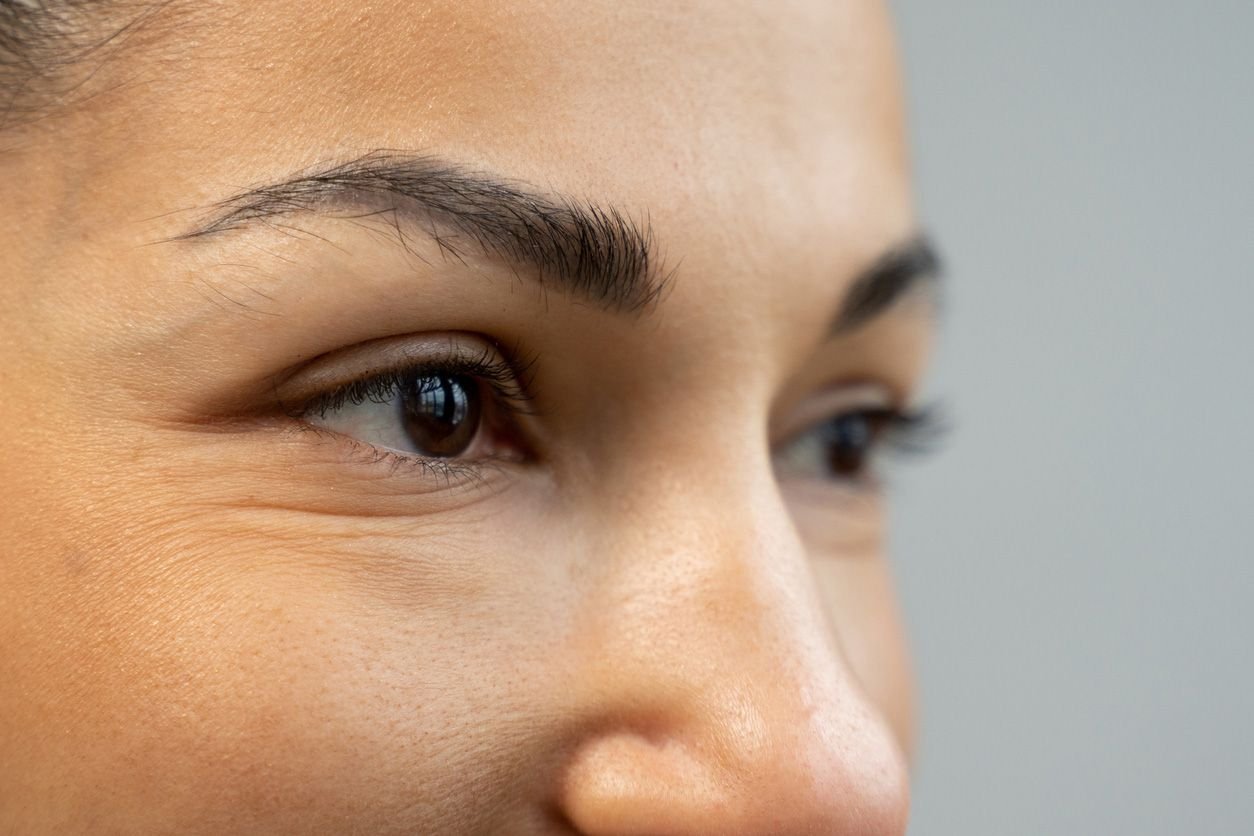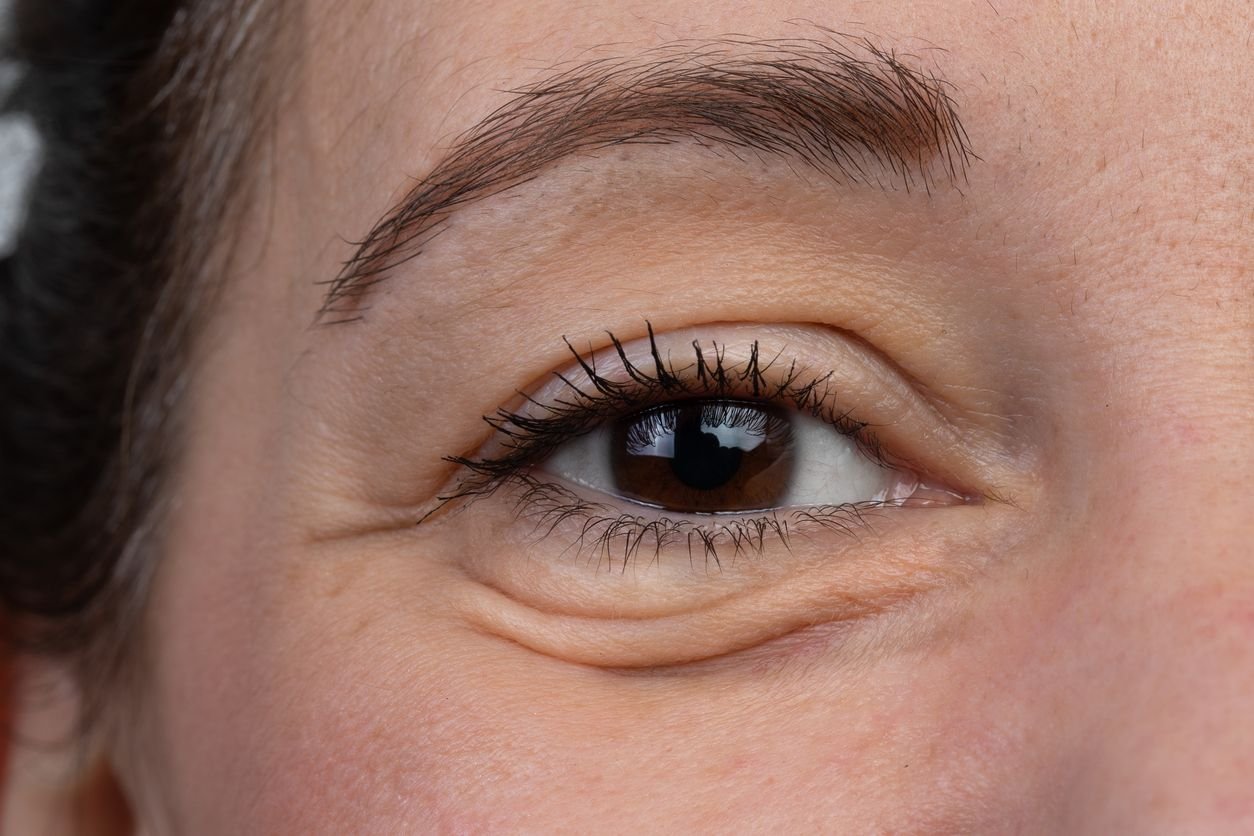


First, why do you have dark circles?
Dark circles develop for a handful of underlying reasons, and usually more than one at the same time. Ageing is a common driver: over time the skin around the eyes undergoes natural skin thinning, collagen production slows and elastin breaks down, so the darker tissue and blood vessels beneath show through more. Genetics play a big part too, which is why dark circles often run in families and can appear even in your twenties. On top of that, everyday factors make them more noticeable, including lack of sleep, stress, fatigue, dehydration, sun exposure, hay fever and other allergies, and rubbing or dragging the delicate eye skin. How those causes actually show up on your face is what decides the best way to treat them, and they tend to fall into four main types.
- Pigmentation. A genuine brown discolouration (hyperpigmentation) of the skin, often hereditary and more common in deeper skin tones, sometimes made worse by sun exposure or rubbing.
- Vascular dark circles. A blue, purple or reddish tinge caused by fine blood vessels showing through thin, translucent skin.
- Structural dark circles (shadowing). Not a colour at all, but a shadow cast by a hollow or groove (the tear trough) beneath the eye, which looks dark under overhead light.
- Skin quality. Thin, crepey or dehydrated skin that has lost its bounce, which lets everything underneath show through more.
Many people have a mix of two or three of these, which is why a single miracle cream rarely does the job.
What you can do at home
Before considering any treatment, it is worth getting the basics right, because they genuinely help some types of dark circles.
- Prioritise sleep and manage stress, both of which affect fluid and circulation around the eyes.
- Wear SPF every day and wear sunglasses. Daily sun protection is a big preventable factor, since sun exposure worsens pigmentation.
- Look at allergies. Persistent rubbing and congestion can darken the area, so treating hay fever or an allergy can make a visible difference.
- Use a good eye product. Topical treatments containing vitamin C and niacinamide can help brighten pigmentation and fade excess pigment over time, while caffeine can temporarily reduce puffiness. Retinol can gradually thicken and improve skin quality, but introduce it slowly around the delicate eye area.
- Try a cold compress in the mornings to calm puffiness and constrict vessels.
Be realistic, though: skincare, lifestyle and topical treatments can improve mild pigmentation and puffiness, but they cannot fill a hollow or rebuild lost structure. If your circles are stubborn, in-clinic treatment is usually what makes the real difference.
When skincare is not enough: in-clinic options
This is where matching the treatment to the cause really pays off.
- For structural shadowing and hollows, tear trough filler is often the answer. This uses a small, careful amount of hyaluronic acid dermal filler placed in the hollow, which softens the shadow and instantly refreshes the eyes. Because this is a high-precision area, it should only be done by an experienced medical injector.
- For thin, crepey or poor-quality skin and vascular dark circles, polynucleotides are an excellent option. They work at the dermal level to improve the actual quality and skin thickness of the delicate, thinning skin under the eyes over a short course, which can soften both crepiness and the bluish tinge of visible vessels. Our full guide to polynucleotides under the eyes explains how they work.
- For overall skin quality and texture, skin boosters such as Profhilo, treatments like microneedling, or laser treatments, can support hydration and firmness across the area.
Often the best result comes from a combination, for example tear trough filler to address a hollow, plus polynucleotides to improve the skin quality around it.
How to know which treatment you need
This is exactly what a consultation is for. By assessing your skin, your anatomy and the type of under-eye circles you have, a qualified practitioner can tell you honestly what will work and, just as importantly, what will not. Beware anyone who recommends dermal fillers for every under-eye concern; if your issue is pigmentation, filler will not fix it.
Can you stop dark circles getting worse?
While you cannot always avoid dark circles, especially if they run in your family, you can slow their progression. Daily SPF is the single most important habit, since sun exposure drives both pigmentation and collagen loss. Getting consistent sleep, staying hydrated, managing any allergies and being gentle with the delicate eye skin (no vigorous rubbing or dragging when removing make-up) all help. Reducing salt and alcohol can also limit the puffiness that casts shadows. None of this will erase established circles, but it gives any treatment you do have the best possible foundation to work from.
What does treatment involve, and is there downtime?
Most in-clinic options are quick, often taking under half an hour, and are carried out after a proper assessment of your under-eye area. Tear trough filler gives an immediate result with only minor, short-lived swelling or the chance of a small bruise. Polynucleotides and skin boosters involve very little downtime too, with any small bumps or redness settling within a day or two. In most cases you can return to your normal routine straight away, which is part of what makes these treatments so popular.
At Oracle Aesthetics in Carlisle, your treatment is carried out by Nurse Ness Abbey and the team, who will assess your under-eye area, match the right approach to what is causing your dark circles, and answer any questions. Book your consultation to get a personalised recommendation for your under-eyes.
Frequently Asked Questions
Can you actually get rid of dark circles permanently?
Not usually permanently, but they can be significantly improved and kept that way with maintenance. The key is treating the right cause rather than guessing.
What is the best treatment for dark circles?
It depends on the cause. Tear trough filler is best for hollows and shadows, polynucleotides are best for thin or crepey skin, and skincare helps mild pigmentation. Many people benefit from a combination.
Do eye creams get rid of dark circles?
They can help with mild pigmentation and puffiness over time, but they cannot fill a hollow or rebuild structure. For those, in-clinic treatment is needed.
Is tear trough filler safe?
In experienced medical hands, yes, but it is a delicate, high-precision area, so it should only ever be performed by a qualified, insured medical injector.